
We're Here to Assist You
Rodent: A Recent Job in Surprise, AZ & Some Homeowner Tips
Category: Holiday
Published: April 2026
By: Kyle Deal, Owner, Deal Pest Control
What I Walked Into
April is when I start getting more rodent calls across Surprise, Sun City & The West Valley. As temperatures shift, rodents start looking for food, water and shelter.
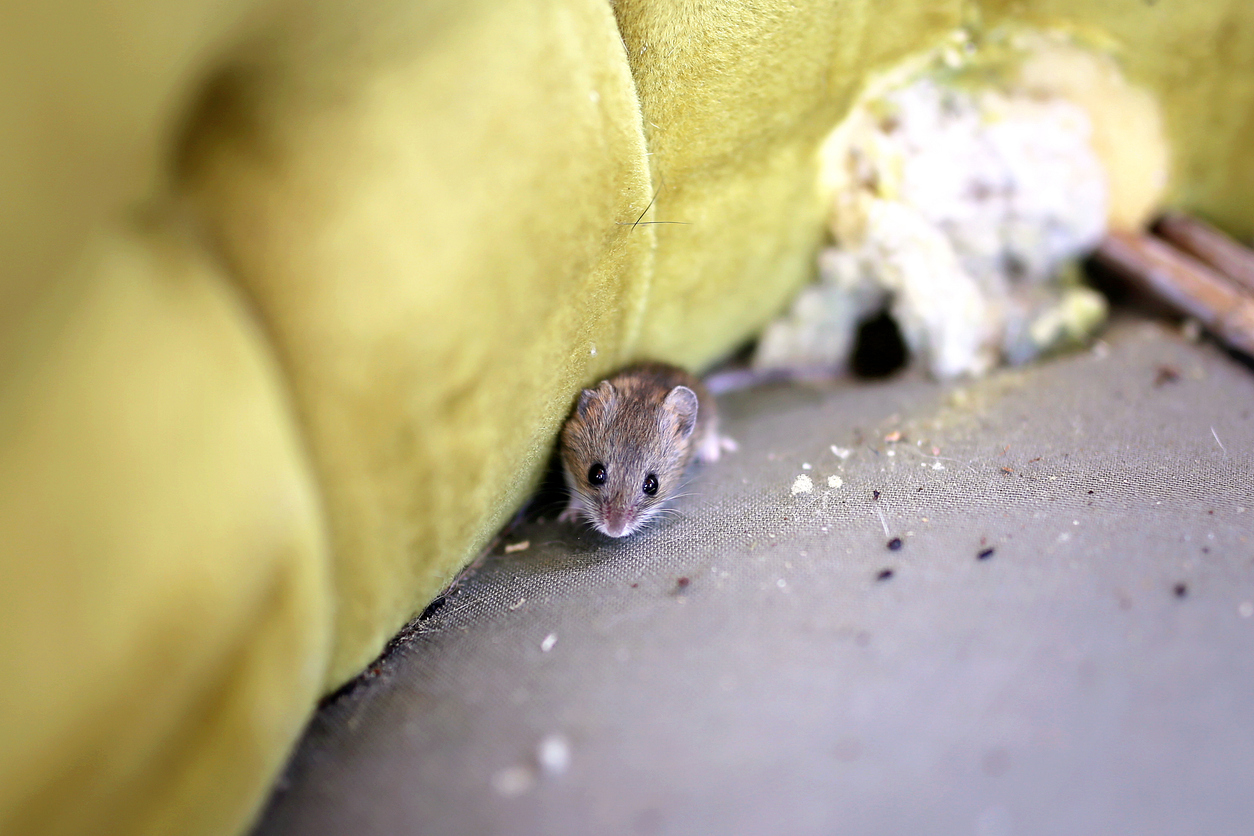
This call came from a homeowner who started hearing scratching sounds in the walls at night. They had not seen a mouse or rat, but they knew something was not right.
When I arrived, the home was clean and well maintained. That is something I always remind customers about. Rodents are not always there because a home is dirty. A lot of the time, they are looking for access, shelter and a quiet place to nest.


The Problem
Once I inspected the property, I found a few signs of rodent activity near the garage and utility areas.
There were small gaps that could be used as entry points, along with signs of movement near storage spaces and the exterior of the home. I also noticed a few areas where rodents could travel without being easily seen.
The homeowner mentioned the scratching sounds were louder at night. That made sense because rodents are often more active when the home is quiet.
The Process
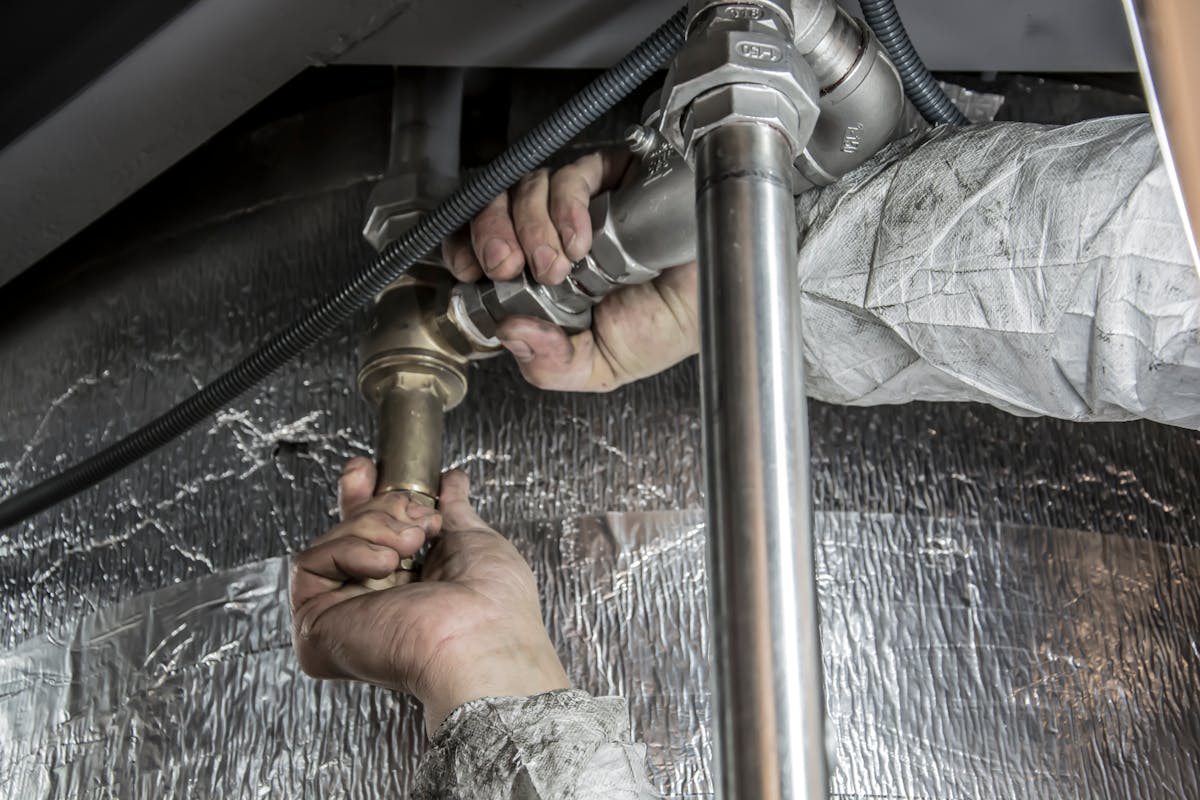
I started with a full inspection of the inside and outside of the home, focusing on where rodents might be entering, travelling and hiding.
I checked the garage, utility areas, attic access points, foundation line, wall areas, exterior gaps, stored items and any possible food or shelter sources.
After identifying the main activity areas, I explained what I found and recommended a plan to address the rodent issue and reduce the chances of them returning.
Rodent service is not just about treating the activity. It is also about understanding how they got in and what made the property attractive to them.
The Outcome
Within a short time, the homeowner stopped hearing scratching in the walls and the activity around the garage dropped significantly.
They felt better knowing where the rodents had likely been entering and what had been attracting them.
That is why I always take the time to explain what I find. When you understand the source, it is much easier to prevent the same problem from coming back.

DIY Advice I Shared
Before I left, I shared a few important tips.
Seal small gaps where possible.
Keep garage doors closed when you can.
Store food and pet food in sealed containers.
Keep trash sealed.
Reduce clutter in garages and storage rooms.
Watch for droppings, chew marks or scratching sounds.
Check exterior areas regularly, especially during seasonal changes.
These steps may not eliminate every risk, but they can make a big difference when combined with professional rodent control.
"It's brighter than before!"
— Megan
Professional Insight
Rodent problems are almost always connected to entry points, food sources and shelter around the home.
They are not always easy to see at first. Sometimes the first sign is scratching at night, droppings in a garage or a small gap near the exterior.
If you catch the issue early, it is usually easier to control and easier to prevent from turning into a bigger problem.
Closing Thoughts
If you are hearing scratching, finding droppings or noticing chew marks around your home, do not wait until rodents settle in.
A quick inspection can help identify where they may be entering and what needs to be corrected.
If you notice the same signs again and again, it is worth having the property checked.
Thanks for reading,
— Kyle

Services
Address
12630 N 103rd Ave #112, Sun City, AZ 85351, United States
Contact Us
Call: 623-304-4977
© 2026 Deal Pest and Termite Control LLC. All Rights Reserved.